Paleo Meal Guide : Vagan

Your Guide to the Paleo

test
Showing posts with label Vagan. Show all posts

Monday, February 13, 2017

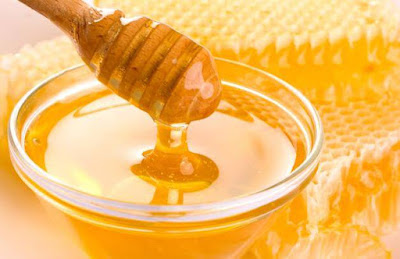
4 Ways Honey Can Give Your Health a Boost

6:27 AM
4 Ways Honey Can Give Your Health a Boost
4-ways-honey-can-give-your-health-a-boost


Honey can do so much more than sweeten your tea. It is also believed to have antiseptic and antibacterial properties. From calming coughs to healing wounds, read on to learn about the ways honey may boost your health.


Did you know that in ancient times, Romans and Egyptians used honey to preserve bodies and heal battlefield wounds? It's true: Honey's got a lot of sweet benefits — and we aren't just talking about how good it tastes on biscuits.

With its purported antibacterial, antimicrobial, and antioxidant properties, honey has long been prized as a skin soother, wound healer, and more.* Check out these ways honey might boost your health.

1. Soothes breakouts

Because honey has antimicrobial and ant-inflammatory properties, it can help heal acne. Some people dab a bit right on the blemish, while others mix it into a mask. 

You can also find it as a touted ingredient in many skincare products.

2. Helps heal wounds

Evidence of honey's healing properties date back to Sumerian clay tablets estimated to be from 2500BC. Hippocrates lauded it as a healing ingredient.

Today, many believe manuka honey, made from tea tree flowers, is a particularly effective healer. 

In fact, manuka honey is a prime ingredient in the FDA-approved Medihoney, a medical-grade honey used to treat wounds and burns.

3. Suppresses coughs

Studies have shown that buckwheat honey is more effective at calming coughs than some over-the-counter cough suppressants, especially in children. 

Bonus: Darker honeys, such as buckwheat, tend to have higher antioxidant levels.

4. Boosts immunity

Raw and darker honeys in particular are high in immune-boosting antioxidants. 

Many believe that taking a spoonful of raw honey mixed with cinnamon at the onset of a cold can help lessen its effects.

*IMPORTANT! Never give honey to babies under one year of age, as it can put them at risk for botulism. And, as always, consult a medical professional for the treatment of illnesses and the use of honey to do so.

Some people can have allergic reactions to honey, so take care. It's also a source of sugar, which can be problematic for diabetics.


This article originally appeared on Delish.com.


Tuesday, February 7, 2017

Why Veganism RUINS Your Brain

2:54 AM
Why Veganism RUINS Your Brain
Why-Veganism-RUINS-Your-Brain


Did you know there’s NEVER been a culture that survived without eating animal products in the entire history of mankind? But that lifestyle sure is trendy now. You don’t have to look hard to find someone swearing up and down how great their “animal-free” vegan diet makes them feel. Usually they try to get YOU to start eating like them too…
Most vegans telling you this don’t exactly look like fitness models. A lot of them are “skinny fat”—without an ounce of muscle on their bodies. But they aren’t just unhealthy on the outside. They’re sick on the INSIDE too. The way they eat ruins their brains.
Did you know that meat, fish, and eggs are the ONLY concentrated sources of vitamin B12, vitamin D, and omega-3 fats around? And that those nutrients play KEY roles when it comes to brain health? Vegans don’t eat any of these things, and they pay the price...
But you don’t have to. Let’s find out the truth about veganism (and a better way for you to get healthy):

Veganism Starves Your Brain of Vital Nutrients

You can only get some nutrients (like vitamin C) from plants…
But there are others you can only get from ANIMALS.
So when you ELIMINATE one of these food groups—like vegans want you to do—you can only imagine the disaster that occurs in your brain.
One of the biggest nutrients vegans miss out on? Vitamin B12.
Every cell in your body uses vitamin B12. It’s especially important for keeping your brain working properly.

A study published in the journal Annals of Nutrition and Metabolism found that 92% of vegans DON’T have enough vitamin B12! That’s a recipe for fatigue, memory loss, and all kinds of other neurological problems.
It takes YEARS for ex-vegans to build their low vitamin B levels back up. One study compared kids who used to be vegans with kids who always ate meat…
The ex-vegans had worse “fluid intelligence” and “short-term memory”—even years after they quit vegan diets.
Omega-3s fatty acids protect you against diseases, depression, and even ADHD…
Vegans aren’t getting NEARLY enough of those, either. You can get some from plants, but it’s much harder for your body to process them from plants than animals.
A study in the American Journal of Clinical Nutrition found that vegans have around HALF the omega-3 levels that meat-eaters do!

Veganism Isn’t A Shred Healthier Than Eating Meat


Veganism-RUINS-Your-Brain
Vegans love to say they live longer, healthier lives than people who eat meat…
Lies. Despite what vegans say, there are ZERO controlled trials showing veganism is healthier than eating meat.
They might throw some studies at you… supposedly “proving” their lifestyle is the best. But the studies they use DON’T show that vegan diets lead to better health.
Vegans also usually don’t smoke. They don’t drink much, and they exercise. So it’s impossible to prove their DIET (instead of their lifestyle) makes them healthy.
The vegan diet might be better than the typical diet “mainstream” nutrition groups recommend. But practically any other diet is better than that nonsense.
There’s NO scientific reason to avoid eating animals—especially when they give you so many nutrients your brain NEEDS to work.
Does taking HANDFULS of supplements to make up for all the nutrients you’re missing out on sound like the “best” way to eat to you?
You deserve better than that…

“Isn’t There a Better Way?”

If you care about your brain working right, veganism is a perfect example of what NOT to do.
But you’re probably wondering what you should do instead…
There’s a better way—a way based on THOUSANDS of years of real-life experience.
It’s all about eating how your ancestors used to eat. When you eat REAL foods you were meant to eat (including animals), great things happen. Your brain hums along without a hitch. You wake up in the morning with boundless energy. You feel (and look) younger.


Tuesday, January 17, 2017

The 3 Healthiest Way To Cook Vegetables

4:33 AM
The 3 Healthiest Way To Cook Vegetables


Some of The Healthiest Way To Cook Vegetables


1. Slow-Cooking

Healthiest-Way-To-Cook-VegetablesSlow-cooking is one of the Healthiest Way To Cook Vegetables ways  to prepare them, which makes it
an excellent choice.
You might lose some nutrients that leach into the slow-cooker water, but that’s only a problem if you don’t use the water. Fortunately, most slow-cooker dishes (soups and stews) make good use of the water.
Keep your slow-cooker lid closed tight to trap the steam, which helps vegetable nutrients get into your body instead of going to waste.
Consider stirring in some healthy fats (like olive oil), which help your body absorb “fat-soluble” vitamins found in vegetables (vitamins A, D, E, and K).
You don’t have to leave veggies in the slow cooker for too long -- just throw them in for the last hour. It’s a great way to cook your vegetables without over-exposing them to heat.

2. Steaming

Healthiest-Way-To-Cook-Vegetables
Steaming is an extremely gentle cooking method without a lot of water loss. This helps vegetables keep their nutrients.
Vitamin C is one of the easiest vitamins to destroy. But a 2006 study published in the journal Food Additives & Contaminants found that steaming broccoli didn’t damage its vitamin C content.
Steaming is a simple way to cook without using fats. But this so-called health benefit could come back and haunt you…
Many vitamins in vegetables (vitamins A, D E, and K) are “fat soluble,” which means your body absorbs them better with fat.
So if you eat steamed vegetables without adding fat, your body won’t absorb those important nutrients!
You can avoid this by adding healthy fats like coconut or olive oil to your steamed vegetables -- they taste great, and help your body get the most out of every vegetable.

3. Frying

Healthiest-way-to-cook-vegetables
Did you know that frying your is actually one of the Healthiest Way To Cook Vegetables?
There isn’t any water to drain, so you don’t have to worry about losing vitamins and minerals that way.
Frying takes high heat, but it cooks vegetables in a short period of time. You throw them into a pan, cook them, and take them off before they lose nutrients.
A study published in the International Journal of Food Sciences and Nutrition found that fried potatoes had the same vitamin C content as raw potatoes. And vitamin C is one of the most vulnerable to heat!
The biggest issue with frying comes down to the oil you choose to fry with.
Processed or hydrogenated oils (the ones fast food restaurants use) are DESTROYED by high heat. They stress your system and make you inflamed.
Coconut oil is a better choice. It’s one of the most stable healthy fats you can cook with, and holds up even in the high heat of a frying pan or wok.

None of This Matters If You Aren’t Eating Enough Vegetables (Here’s How!)


While steaming broccoli might be better than boiling it, eating boiled broccoli is light years ahead of NOT eating any broccoli at all!
Every cooking method has its pros and cons. It’s easy to get caught up in the details… and lose sight of the big picture.
A better question you can ask:
“How can I make vegetables a regular part of my life?”
If you don’t know where to get started, the PaleoHacks Cookbook can help. It’s designed to help you overcome some of the most common sticking points that keep people from adopting a healthy diet and making it a lifestyle.
You’ll experience a whole new world of vegetables, prepared in different ways, that allow you to enjoy hundreds of delicious meal combinations you can make a central part of your new lifestyle.

Now that we've covered The 3 Healthiest Way To Cook Vegetables don't forgot to share this article with your friends.


The 3 WORST Ways to Cook Your Vegetables (Plus the 3 Healthiest Ways)

4:15 AM
The 3 WORST Ways to Cook Your Vegetables (Plus the 3 Healthiest Ways)
 WORST-Ways-to-Cook-Your-Vegetables


Did you know that HOW you cook your vegetables has a HUGE impact on your health? If you cook veggies the wrong way, they lose a lot of the nutrients your body needs to stay healthy. You end up "short changing" yourself… just because of the way you prepare your food!  

It's amazing how many people (and restaurants) are doing this. You might be doing it right now. Some of the so-called "healthy" ways to cook veggies are actually some of the worst ways you can prepare them.
There are a lot of MYTHS going around and it’s crucial to know how to cook your vegetables to get the most health benefits.
Which ways should you AVOID?


The 3 Worst Ways to Cook Your Vegetables


1. Boiling


 WORST-Ways-to-Cook-Your-Vegetables
Boiling is, hands down, the WORST way to cook your vegetables.

Why?

You can only boil at very high temperatures and this takes longer than cooking vegetables in other ways, leaving them exposed to vitamin and mineral damage.

The biggest issue with boiling: you have to submerge the vegetables in water.

After most people boil vegetables, they drain the water and toss it out without a second thought…

But they don’t realize they’re “throwing out the baby with the bathwater” -- key nutrients from vegetables they just prepared!

You can avoid this if you keep the boiled water and use it in a soup or stew. But if you just boil vegetables and pour the nutrient-rich water down the sink, you’re missing out.

A combo of high heat and water loss make boiling a BAD choice compared to the other ways on the next page.

2. Roasting


“Lot-fat” fanatics praise roasting as one of the healthiest ways to cook vegetables because it uses dry heat and avoids oils.

You don’t have to add water like you do with boiling, which makes it easier to save vegetables’ key minerals. That’s definitely a plus.

On the other hand, roasting is usually done at high heat for a good amount of time. This causes some of the vitamins in vegetables to break down.

So the verdict on roasting: it’s better than boiling vegetables, but it isn’t the best way to save the most nutrients.

3. Microwaving

Microwaving vegetables exposes them to high heat for short periods of time. This intense heat can make vegetable nutrients break down.
 
Plus, microwaves don’t just destroy nutrients. The heat can leach toxins (like BPA) from microwavable containers into your food. Those toxins have been linked to digestion and autoimmune issues—even cancer!

It’s also hard to cook with microwaves. A lot of vegetables come out mushy or dry. There are hot and cold spots. No one wants to eat veggies if they taste like cardboard.

Finally, there’s still A LOT we don’t know about how the radiation from microwaves could harm the body over a lifetime of use…

Microwaving vegetables is convenient, but it isn’t a good way to go. You have better options.

Now that we've covered the 3 WORST ways to cook your vegetables, click on the Next Page button below to find out the 3 healthiest ways to cook your vegetables.


Monday, January 16, 2017

Is FRUIT Making You Fat?

12:12 PM
Is FRUIT Making You Fat?
Is-FRUIT-Making-You-FatIf you’re trying to lose weight, you’re probably worried about ice cream, pizza, and cake…
But fruit?
Isn’t that one of the BEST things you can eat to shed stubborn pounds?
Not so fast!
The cause of your endless weight-loss struggles might be right in front of you: the empty fruit bowl on your kitchen table…

Fruit Isn’t a “Free Pass”


The most dangerous paleo mistake people make?
Fruit is delicious, but it isn’t a “free pass” in your diet.
A lot of people treat it that way though. They’re strict about ditching unhealthy processed foods. But they let themselves eat as much fruit as they want.
Once someone decides to lose weight, sweets, sodas and processed foods are usually the first things to go…
But you still have to eat something. You have to replace some of those calories you eliminated from your diet.
Protein and healthy fats are ideal, but people struggle to get enough of them. So they end up snacking all the time, filling up on fruit to fight off hunger pains.
That’s when the problems start. A certain chemical in fruit can be DANGEROUS if you eat too much of it. Let’s talk about that now…

Fructose: What Makes Fruits Sweet (and Sometimes Dangerous)

“Fructose” is a natural sugar found in fruit.
It’s much better than high fructose corn syrup (the stuff found in processed foods). But fructose is still sugar. Eat too much, and you can get yourself into a world of trouble.
Why?
When you eat fruits, your body processes the fructose in them quickly. This spikes your blood sugar levels, and your body releases a hormone called insulin to get things under control.
Do this repeatedly, and your body adapts by becoming RESISTANT to insulin!
Things only go downhill from there. Insulin resistance has been linked to obesity—the last thing you want to hear if you’re trying to lose weight. It’s also been linked to diabetes, kidney disease, and even heart disease.
So the dangers of eating too much fructose are real. But don’t swear off eating fruit just yet…

Hold on. I Thought Fruits Were Healthy! What’s the Deal?


Fruits have plenty of vitamins, minerals, and antioxidants to write home about. As long as you aren’t eating too many of them, they fall under the “healthy” foods camp.
But not all fruits are created equal!
Some are sweeter than others. They have a high fructose content and a high “Glycemic index” (which measures food’s impact on your blood sugar).
Save the following sugary fruits for special occasions:
  • Bananas
  • Grapes
  • Mangos
  • Melons
  • Papayas
  • Pineapples
You can enjoy the following fruits more often because they're less sugary:
  • Apples
  • Apricots
  • Avocados
  • Berries
  • Citrus fruits
  • Cherries
  • Figs
  • Grapefruit
  • Peaches
  • Pears
And if you’re going to eat fruit, stick to whole fruit.
Eating whole fruit gives you get plenty of fiber with the fructose, which helps your body process the fructose more slowly. This is easier on your blood sugar and keeps you feeling full.
Fruit juices and smoothies taste delicious, but they’re super easy to overdo. Liquid calories don’t fill you up like whole foods do. You’re essentially drinking “fructose bombs”: entire batches of fruits thrown into a single glass.

How Much Fruit Can I Eat and Still Lose Weight?

Fruits have plenty of nutrients that make them healthy. But they also contain fructose, which can be dangerous if you eat too much of it…
But how much is “too much?”
It depends.
How active you are matters…
But how much is “too much?”
If you spend most of your time in an office and only exercise a little, you’ll probably see faster weight loss by limiting your fruit servings to 1-3 a day.
Athletes and physically active people can get away with eating more fruit: 4-5 servings a day is a good guideline. Physical activity helps you do well with more carbs (from fruits and starchy vegetables) in your diet.
You can always stop eating fruit until you reach your target weight. Then you can gradually reintroduce it into your diet. Until then, you can get all of the nutrients you need from vegetables.
No matter how much fruit you eat, don’t let it replace animal protein and vegetables as the pillars of your diet.


Fruit Is Just One Piece in the Weight Loss Puzzle

No matter how much fruit you eat, don’t let it replace animal protein and vegetables as the pillars of your diet.
Figuring out fruit is an important piece in the weight loss puzzle…
But it’s just one piece.
In order to lose weight—and keep it off—you need a proven roadmap to follow.
The Pete's Paleo Eats gives you that roadmap.


Your health is at stake. You don’t have time to waste on another fad diet or trying to figure things out on your own.
It gives you the knowledge you need to shed stubborn weight, as well as the practical tools to put that knowledge into action.